3D animation has grown from a cinematic novelty into a powerful commercial tool. By creating digital objects with width, height and depth, animators can rotate and light scenes from any angle, achieving realism and versatility that flat 2D drawings cannot. This depth allows marketers to showcase products convincingly, helps educators explain complex concepts and gives architects the ability to tour unbuilt properties.
For a business like Emotive 3D, understanding what 3D animation is and how it works is essential to positioning services effectively.
Defining 3D Animation
At its core, 3D animation is the art of creating moving images in a digital three dimensional space. Instead of drawing each frame, artists build digital models of characters and objects, then manipulate them within software to simulate motion. These models can be viewed from all sides, giving viewers a realistic sense of depth and perspective.

Lighting, textures and virtual cameras are used to add realism, resulting in an animation that feels tangible and engaging. Because each element exists in a digital environment, scenes can be adjusted without reshooting, making 3D animation extremely flexible for marketing and product visualisation.

Why 3D Animation Is Commercially Powerful
3D animation merges artistry with technical precision. Its ability to depict products and scenarios with lifelike detail helps businesses communicate value quickly. The depth and realism draw viewers in and allow brands to stand out in crowded marketplaces.
Emotive 3D’s clients benefit from this impact; whether producing a digital advert, a product launch video or a social media animation, a well crafted 3D sequence can elevate brand perception and increase engagement.
Because the underlying digital models can be reused across campaigns, 3D animation also offers long term value.
How 3D Animation Works: The Production Pipeline
Producing professional 3D animation involves several phases. Each stage demands both creative and technical skills and all must be executed meticulously to achieve polished results. Below is an outline of the key steps involved in creating a 3D animation:

Preproduction
Begin with concept development and research. Write a script
that defines the story and objectives, then create storyboards and animatics to map out each scene. This planning stage sets the tone and prevents costly revisions later on.
Modelling
Build 3D models of characters, props and environments using
software such as Blender, Autodesk Maya or Cinema 4D. Start with basic shapes and sculpt them into detailed forms. This is where creativity meets technical skill.

Texturing and Shading
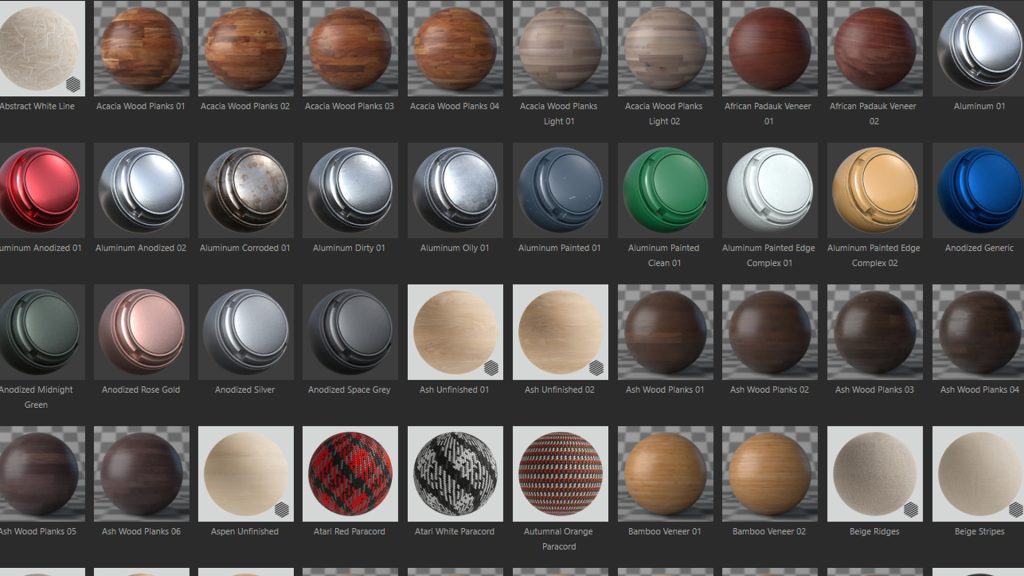
Apply textures and colours to the models. Texturing adds details like fabric, skin or metal surfaces, while shading determines how light reflects off these surfaces.
Rigging
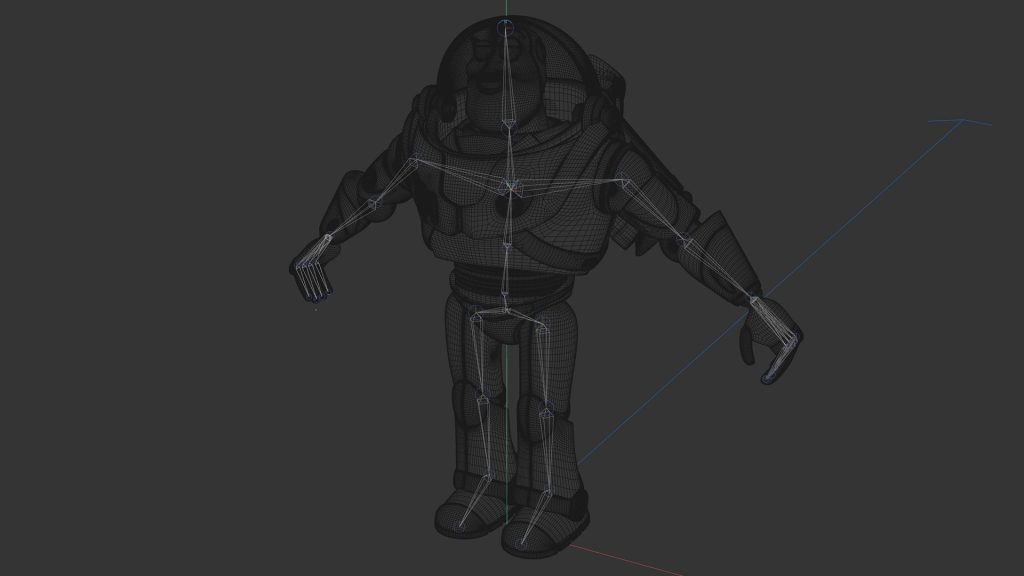
Create a digital skeleton for each model. This involves setting up
bones and controls so that the model can move naturally. Rigging is crucial for characters and complex objects that need to bend and flex.

Animation
Animate the rigged models using keyframes. Animators place the model in a series of poses and the software interpolates the motion between them. Motion capture can also be used to record real actors and map their movements onto digital characters.
Lights and Rendering
Position virtual lights to set the mood and highlight important details. Rendering then calculates how light interacts with surfaces to produce the final images. This step can be computationally intensive but delivers photorealistic results.

Compositing and Editing
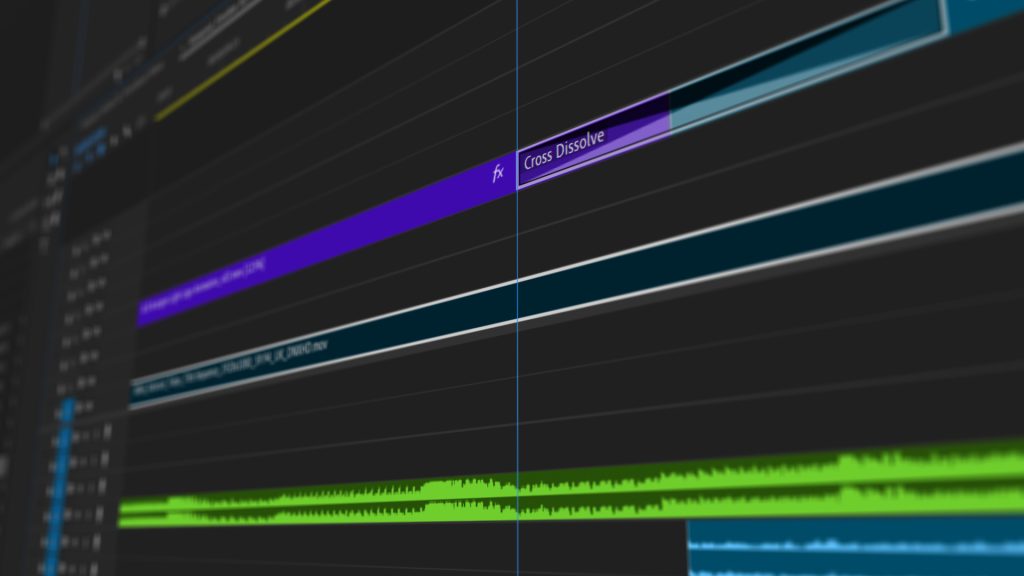
Combine the rendered frames, add any visual effects, colour correction and sound, and assemble the final sequence. Editing finetunes timing and transitions so the story flows smoothly.
These steps highlight why 3D animation is considered a time consuming process. However, once a model is built and rigged, it can be reused in future projects, providing cost efficiency over the long term.
The Tools Behind Modern 3D Animation
Professional studios rely on advanced software. Blender is a popular opensource platform, while Autodesk Maya, Cinema 4D and 3ds Max are industry standards for modelling and animation. Realtime engines like Unreal Engine 5 use technologies such as Nanite geometry and Lumen global illumination to preview scenes instantly.
Artificial intelligence is also automating tasks like rigging, allowing animators to focus more on creativity. For clients, the important takeaway is that the right tools help agencies like Emotive 3D deliver high quality animations efficiently.
How Is 3D Animation Made? A Closer Look at Techniques
While the pipeline gives an overview, the following details illustrate how different techniques contribute to a finished piece:
Story and visualisation:
Every project starts with a clear narrative. Storyboards outline camera angles, character actions and transitions, ensuring the visual flow supports the message.
Digital sculpting
Characters and intricate objects often require digital sculpting. Tools like ZBrush let artists shape models with fine detail, from facial expressions to fabric folds.
Texturing and mapping
Artists often paint textures by hand or generate them procedurally. Mapping techniques ensure textures wrap correctly around complex models.
Rigging and skinning
A rig is built, then the mesh is bound (skinned) to it so that the character deforms naturally. Facial rigs can involve dozens of control points for nuanced expressions.
Keyframing and interpolation
Animators set key poses and let the software interpolate between them, adjusting timing and spacing to convey emotion.
Motion capture
Real actors wear suits with sensors that record their movements, which are then mapped onto digital characters. Mocap speeds up production and increases realism but often needs clean up to remove anomalies.
Lighting and atmosphere
Virtual lights are placed to enhance the mood. Global illumination and physically based rendering simulate real world lighting conditions.
Compositing
Separate render passes (diffuse, reflection, shadows) are layered and colour corrected. Additional effects, typography and audio are integrated to create a polished final piece.
Through these techniques, animators convert static 3D models into dynamic sequences that feel lifelike and engaging.
How 3D Animation Differs from 2D Animation
Many clients ask whether 3D animation is easier than 2D. The answer isn’t straight forward; both forms have unique challenges. Here are the main differences:

Dimension and realism
3D animation operates in a digital space with width, height and depth. Scenes can be rotated and viewed from any angle. 2D animation is drawn on a flat plane and relies on perspective tricks to imply depth.
Creation method
In 3D, artists model objects, rig them and animate using keyframes or motion capture. In 2D, each frame is drawn by hand or manipulated using vector graphics software.


Learning curve
3D requires mastery of complex software, rigging and rendering techniques. 2D demands strong animation skills and the ability to maintain consistency across hundreds of frames. Both have steep learning curves, but of different kinds.
Motion and flexibility
3D rigs allow fluid motion, realistic lighting and dynamic camera movement. 2D animation offers greater stylisation and often conveys emotion through exaggerated poses.


Cost and efficiency
3D projects tend to be more expensive because of software costs and rendering time, though assets can be reused across multiple campaigns. 2D can be cheaper but labour intensive, as every frame must be created.
Ultimately, neither is inherently easier; the choice depends on the desired look, budget and message.
Where 3D Animation Is Used
The versatility of 3D animation makes it valuable across a wide range of industries. Some of the most common applications include:
Entertainment and Animated Movies
From classics like Toy Story to today’s high-budget streaming series, 3D animation has transformed how stories are told. The 3D animation process combines creative storytelling with advanced animation software, allowing each animator to create lifelike character animation that connects emotionally with audiences. These animated movies rely on a carefully managed 3D animation pipeline where every texture, rig, and light is refined for cinematic quality.
Marketing and Product Visualisation
Businesses use 3D animation to showcase products long before they reach production. Using sophisticated animation software, designers can visualise every detail, create virtual prototypes, and present them through interactive models or augmented reality. The result is a compelling visual experience that helps brands communicate clearly and reduce costly revisions.
Gaming and Interactive Media
Modern video games depend heavily on real-time 3D animation to deliver realistic characters and responsive gameplay. An animator creates smooth transitions, lifelike movement, and immersive environments that evolve dynamically as players interact. Character animation plays a crucial role here, combining artistry and precision within the 3D animation pipeline.
Healthcare and Medical Education
The 3D animation process allows complex biological functions to be visualised in a clear and engaging way. From demonstrating surgical procedures to explaining cellular interactions, these animations help both medical professionals and patients understand intricate details that would otherwise be invisible.
Architecture and Real Estate
Architectural firms rely on 3D animation software to produce virtual walkthroughs and flythroughs that bring designs to life. Clients can explore properties before they’re built, identify potential improvements, and even view them in augmented or virtual reality settings.
Engineering and Prototyping
Engineers build digital prototypes, test them virtually and even convert them to 3D prints. This accelerates product development and reduces costs.
Education and Training
Interactive 3D environments enhance learning by turning theory into experience. Whether in a virtual science lab or a historical reconstruction, learners benefit from realistic, hand-drawn-style textures combined with advanced 3D modelling techniques. These animations support corporate and educational training by improving engagement and understanding.
By leveraging these applications, agencies like Emotive 3D deliver bespoke animation solutions tailored to each client’s industry, blending artistic skill with technical precision.
Benefits of 3D Animation for Businesses
Investing in 3D animation offers several commercial advantages:
1 – High visual impact:
Detailed, colourful animations grab attention and convey messages quickly. They make marketing campaigns more memorable.
2 – Convey complex ideas:
3D explainer videos can present intricate concepts far more efficiently than text or live action.
3 – Higher engagement:
Interactive 3D content keeps viewers engaged and can boost conversions, particularly on social media and ecommerce platforms.
4 – Brand differentiation:
Because 3D animation remains relatively rare in some sectors, it signals innovation and helps brands stand out.
5 – Reusability and long term value:
Once you have a 3D model, it can be repurposed across campaigns and adapted for new products or markets.
6 – Flexibility and scalability:
Digital scenes can be tweaked without costly reshoots. This is invaluable for A/B testing or when adapting content for different regions.
These benefits align perfectly with Emotive 3D’s promise to deliver bespoke animations that resonate with audiences and drive tangible business results.
Frequently Asked Questions
How does 3D animation work?
It starts with a concept and script, followed by modelling, texturing, rigging, animation, lighting, rendering and compositing. Each step is handled by specialists who ensure the final animation looks polished and communicates effectively.
How is 3D animation made?
Artists create digital models, apply textures and rigging, animate them using keyframes or motion capture, then light and render the scenes. Finally, editors add sound and visual effects to produce a cohesive piece.
Is 3D animation easier than 2D?
No. 3D requires technical proficiency with software and rigging, while 2D demands strong design and animation skills, and frame by frame consistency. Both require practice and artistic understanding.
View more of Emotive 3D’s CGI and 3D animation

Final Thoughts
3D animation is a powerful medium that blends creative storytelling with technical expertise. Its ability to create lifelike scenes with depth and realism makes it an invaluable tool for marketing, education, architecture and entertainment.
By following a structured production pipeline and engaging in modern software, studios like Emotive 3D can deliver bespoke animations that excite viewers and elevate brands. Investing in 3D animation not only enhances visual appeal but also provides long term value, flexibility and competitive advantage in today’s digital marketplace.
Talk to us today about using 3D animation in your next campaign.