
CGI animation has transformed from a tool used in blockbuster films to a practical solution for everyday marketing challenges. Whether it’s a product demo, a brand advert or content for a digital billboard, computer generated imagery gives you full control over how your business is seen.
But what is CGI animation, and more importantly, how can it benefit your business?
This guide explains how CGI works, where it fits in today’s marketing world and why more companies across the UK are using CGI animation as part of their visual content strategy.
What is CGI Animation?
CGI stands for computer generated imagery. When we talk about CGI animation, we’re referring to moving visual content made entirely with CGI technologies, rather than filmed with cameras or created by hand. It’s built using animation software, 3D modelling tools and rendering engines to simulate movement, lighting and texture.
Unlike traditional methods such as hand-drawn 2D animation or stop motion, CGI allows you to build scenes that look completely realistic, highly stylised or anything in between. CGI animation is used in everything from animated feature films to short-form social content and training materials.
The result is a computer animation that can show your product, service or brand in a highly polished and controlled visual format.

CGI in Business Marketing
Historically, CGI was associated with blockbuster animated movies or visual effects in science fiction. But today, the benefits of 3D animation have made it popular for businesses too.
A CGI project starts in much the same way a film project does. A brief is translated into a storyboard, which becomes a digital scene. Models are created in animation software, and motion is added using keyframes or motion capture. It’s then lit and rendered to create final footage.
The difference is in the focus. Instead of fantasy characters or action sequences, CGI for business is used to show off a product, illustrate a process, or bring a brand message to life. It could be a laptop folding open in mid-air, a warehouse system visualised from above, or an abstract concept explained through moving graphics.
Making Everyday Products Look Better:
Not every product looks exciting straight out of the box. CGI lets you rethink how your product is presented.
If you’re trying to sell something like a power drill, a desk chair or a server unit, real footage can feel dry. But with CGI animation, you can present these items with full control over the environment, movement and lighting.
That same desk chair can be shown assembling itself in mid-air. Light can bounce off brushed aluminium textures, with the brand logo glowing at the perfect moment. With CGI, you’re not restricted by camera setups or physical limitations. The product becomes the centrepiece of a visual story, designed to appeal to your audience and sell the value behind it.

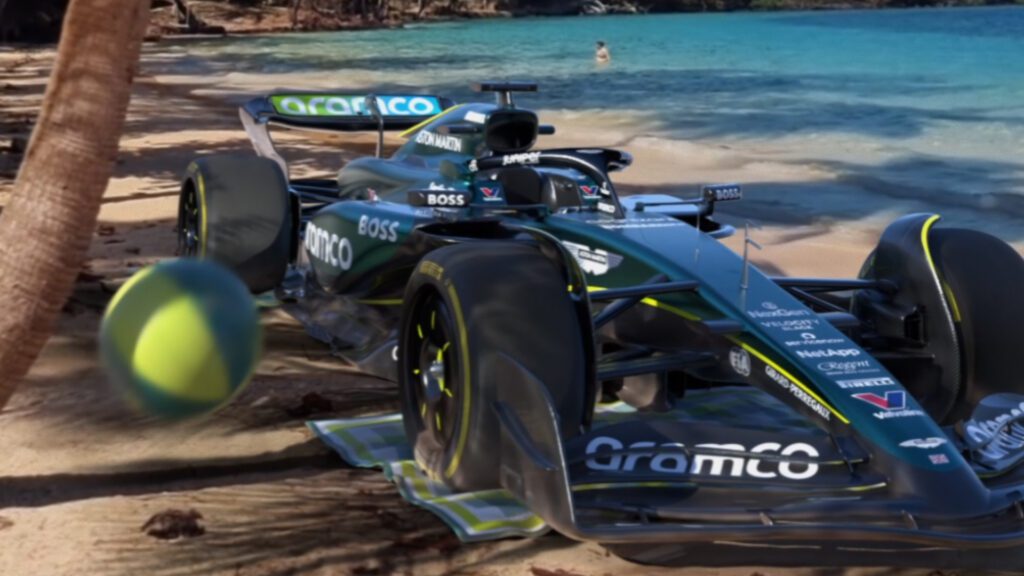
CGI for Social Media and Mixed Reality
Social media content has to grab attention quickly. CGI helps you stand out in crowded feeds, especially when combined with real-world footage. This technique is often called mixed reality, and it’s where CGI elements are composited into live-action video.
It works particularly well for oversized objects or visual tricks. Think of a CGI billboard coming to life or a product expanding out of a backpack. These types of CGI shots are memorable, shareable and don’t require a Hollywood-sized budget.
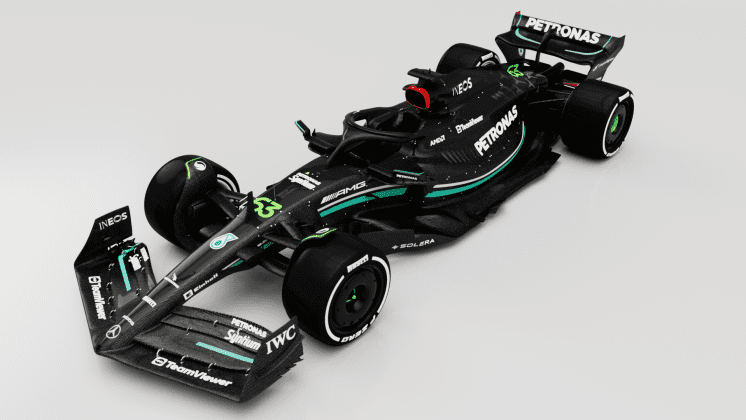
At Emotive 3D, we’ve worked with brands like Disney and Aston Martin F1 to create short films and digital stunts using CGI. These assets performed well on platforms like Instagram and LinkedIn because they break the usual scroll pattern and offer something visually different.
Mixed reality content is also increasingly used in retail and fashion to preview products or simulate experiences. It blends the computer generated image with the physical environment, creating marketing assets that feel grounded yet imaginative.
Taking Interviews and Presentations Further
You can also apply CGI to live content like interviews. Rather than filming someone sitting in a static room, CGI can be used to surround them with animated visuals or changing digital environments.
Imagine your CEO explaining a new service while that service appears beside them as a CGI walkthrough. Or a product manager giving an update, with features materialising on screen as they speak.
Emotive 3D produced a CGI-enhanced interview with George Russell, turning a standard conversation into an award-winning piece of branded content. By pairing the real speaker with animated graphics, it kept the viewer engaged and extended the message far beyond the typical talking-head format.
For businesses, this is a way to make internal messages, investor videos or product updates more dynamic without needing to reshoot or re-edit entire videos.


Lighting and Rendering:
Lighting gives depth and realism to a CGI scene.
Virtual lights are placed into the environment, simulating the behaviour of real world lighting. These lights are adjusted to match the desired mood, whether that’s warm and inviting or dramatic and shadowed.
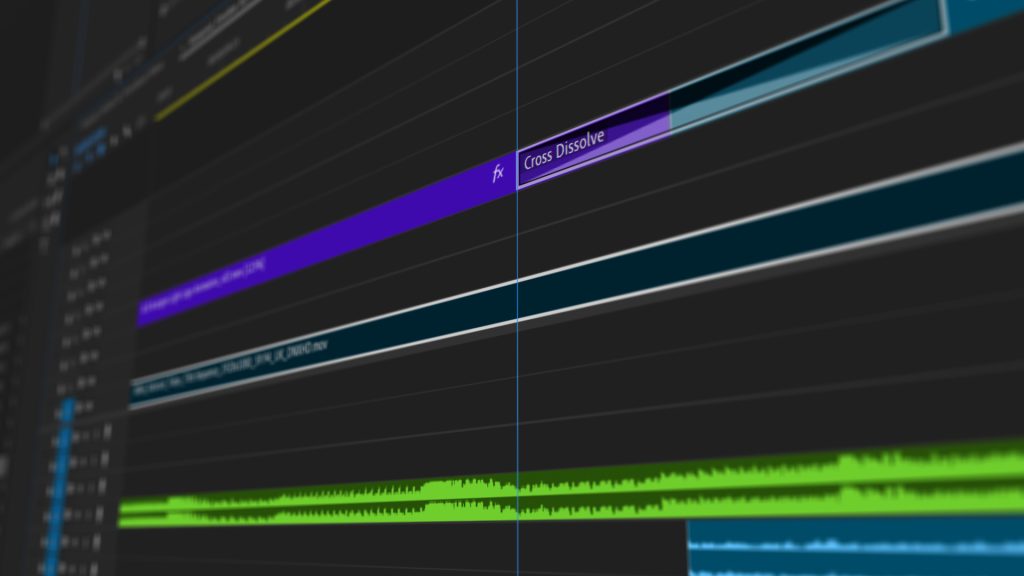
Once the scene is set and lit, rendering begins. Rendering is the process of taking all the digital information, models, textures, lighting and animation and converting it into final image frames. Each frame can take seconds or hours depending on the quality and complexity.
Rendered frames are then compiled into sequences, forming the visual output that will be used in the final project.
CGI in Physical Spaces
CGI isn’t just for social or web use. It works well in live environments too.
At trade shows, exhibition stands often include large screens. Instead of playing generic footage, you can use CGI to create a high-impact animation tailored to that event. This might include an interactive explainer, a stylised product animation or a background loop that catches attention.
Digital billboards are another effective use case. CGI makes it easier to adapt your visuals to the shape, scale and resolution of different outdoor media. Whether it’s a product floating in mid-air or a stylised animation of your brand message, the end result is sharper, cleaner and easier to control than traditional footage.
For larger activations, CGI is also used in virtual reality booths. These let potential customers or stakeholders experience a 3D simulation of your product or service. For example, a travel company might create a virtual walkthrough of a destination. A manufacturer could let users explore inside a factory or engine.
All of this is built using CGI technologies that are now more accessible and efficient than ever.
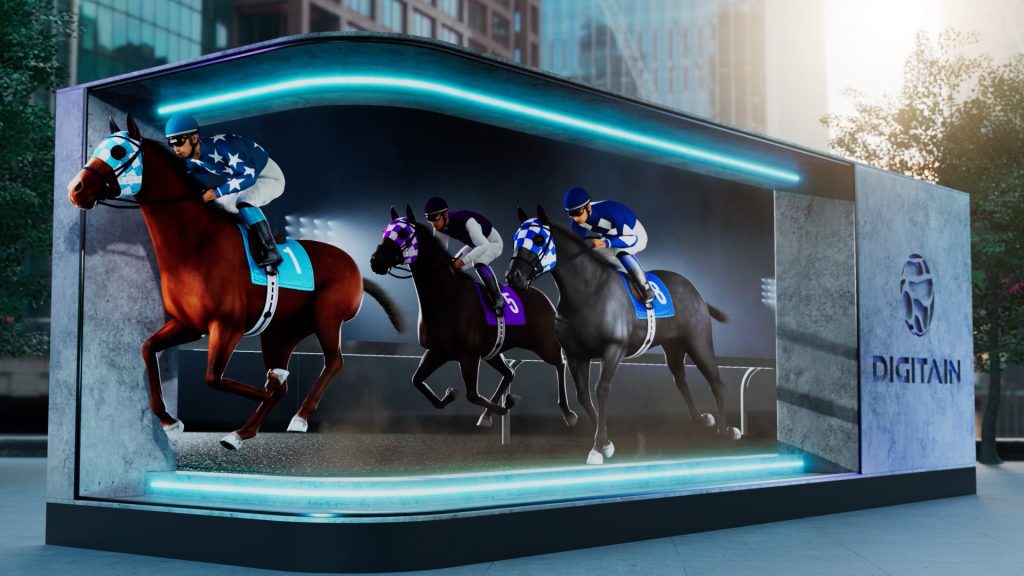
Why Businesses Are Turning to CGI
There are many reasons why brands are investing in CGI content.
It’s reusable. You can repurpose the same 3D models across social media, websites and pitch decks:
It’s flexible. You can change colours, text or motion without a reshoot.
It’s scalable. You can build a full content library around one visual theme.
It’s future-ready. CGI content works well in 4K, VR and real-time applications.
Computer animation gives you control. You don’t need actors, studios or physical sets. Everything is made in software, which reduces cost, increases speed and keeps the creative process tightly aligned with your goals.

Even if your business doesn’t sell a physical product, CGI can help explain what you do. It’s a useful way to show things like how your team delivers a service, what goes on behind the scenes, or how customers benefit from what you offer. CGI takes ideas that are hard to film or describe and turns them into clear, engaging visuals.
Where CGI Animation Is Already Common
You’ve seen CGI in animated movies, television ads and explainer videos. But it’s also common in places you might not notice:
Most car ads use CGI instead of filming real vehicles.

Many short film projects use CGI to reduce costs.
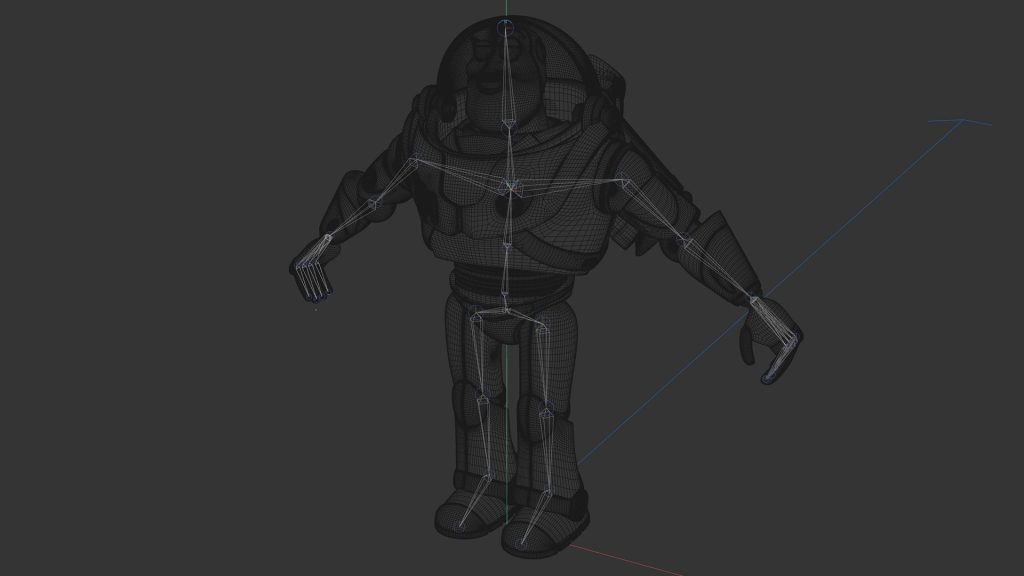
Video games rely heavily on CGI models, textures and environments.
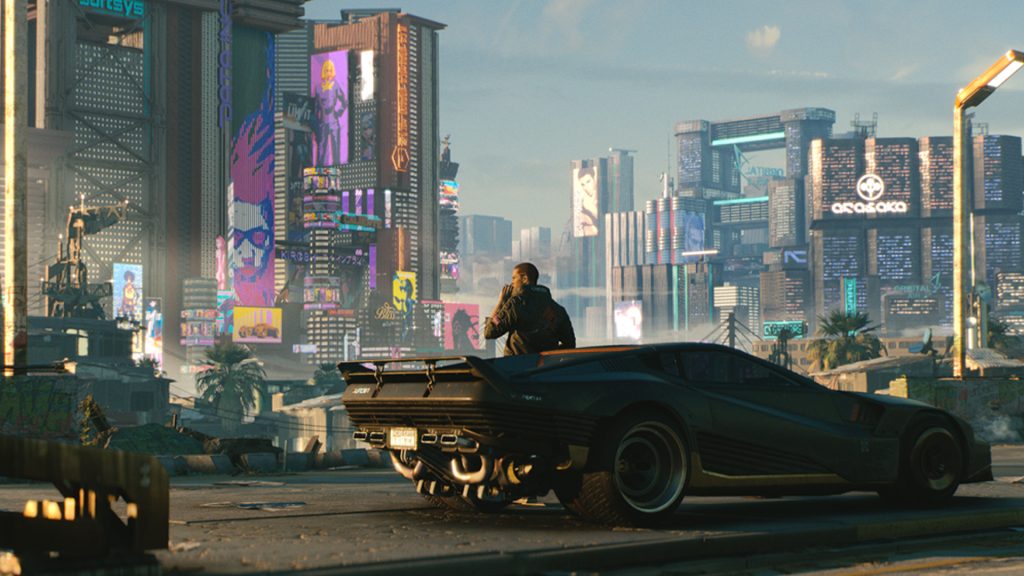
TV graphics, from weather maps to match analysis, are often rendered using animation software.

This same capability is now being applied in business environments to improve product communication, brand storytelling and campaign performance.
A Note on 2D Animation
2D animation is still widely used and has its place in content creation. It works well for flat icons, stylised illustrations and motion design. But for most marketing teams, the benefits of 3D animation outweigh the constraints of 2D.
With CGI, you can rotate, zoom, and relight objects. You can simulate real materials and create sequences that feel physically plausible. It’s not just about visual style. It’s about the flexibility and control that CGI gives you at every stage of content production.
View more of Emotive 3D’s CGI and 3D animation

Final Thoughts
So what is CGI animation? It’s more than just a visual style. It’s a set of digital tools that allow you to create branded content with clarity, control and polish. From social media to VR to outdoor ads, CGI content lets your business look sharper, move faster and stand out.
The question isn’t whether you can afford CGI. It’s whether you can afford to keep using visuals that look like everyone else’s.
At Emotive 3D, we specialise in CGI and 3D animation tailored to business needs. Whether you’re building a campaign, launching a product or improving your brand presence, we help you create content that works.
Get in touch to explore what’s possible.