Motion graphics are a powerful tool for digital storytelling. They help businesses explain, promote and connect with their audience using design and movement. But what exactly does the term motion graphics mean? And how are brands using it today?
This guide explains what motion graphics are, the types used in marketing and why they’re worth including in your content strategy.
What are Motion Graphics?
Motion graphics is a type of animation focused on design-led visuals. It uses movement to animate text, shapes and illustrations. Unlike character animation, motion graphics don’t tell a story through characters. They present ideas and information clearly using visual design.
Motion designers use tools like Adobe After Effects, Photoshop and Adobe Illustrator to build these animated graphics. For more advanced work, software such as Cinema 4D may be used to add depth and realism. These animations are often used in explainer videos, brand intros and advertising content.

The roots of motion graphics can be traced back to Saul Bass, whose film title sequences used simple shapes and text to create visual impact. His work set the tone for how motion graphics are used in business today.
Why Motion Graphics Work for Business
Motion graphics are widely used in digital marketing and brand content because they:
Grab Attention Quickly
Make Complex Ideas Easier to Understand
Work Across Social Media, Websites and Video
Are Often Faster and Cheaper to Produce Than Live Action

Whether you’re launching a product, explaining a service or refreshing your brand visuals, motion graphics help your content perform better and look more professional.
Common Types of Motion Graphics
Logo Animation
An animated logo brings a static brand asset to life. With movement, colour changes and subtle effects, it helps make your brand more recognisable and modern. These animations are often used at the start or end of videos.
Motion designers use different techniques to create energy and style. This might include fading, scaling or revealing the logo with light or texture effects.
Kinetic Typography
Kinetic typography is the animation of text to highlight key messages. Words may move across the screen, scale in size or change colour to create emphasis and rhythm.
It’s a useful technique for lyric videos, digital ads and content where the message needs to be direct and easy to follow. When done well, it guides the viewer through the message and adds visual interest.
Infographics and Data Visuals
Motion graphics are a great way to animate data. Static graphs can be brought to life using transitions, icons and highlights that help explain trends or comparisons.
This works well in presentations, social media and internal training where clarity matters. Motion keeps people engaged and helps them retain the information better than plain text or still charts.
UI and UX Animations
When promoting an app or digital platform, motion graphics can simulate how the product works. Swipes, taps and transitions are animated to give a clear sense of how users interact with the interface.
These UI and UX animations help communicate design intent and make demos feel polished. They’re often used in product launch videos and investor presentations.
Title Sequences
Motion graphics are often used to design title sequences. These are used in films, TV and branded videos to set the tone and style of the content.
By animating text, combining visuals and building in pacing, designers create openings that feel cinematic and professional. It’s one of the original uses of motion graphics and still one of the most powerful.
Explainer Videos
Motion graphics are widely used in explainer videos. These combine animated text, icons and illustrations to help explain how something works or why it matters.
Explainers help customers understand products or services quickly. They’re especially useful in tech, healthcare and finance, where clarity can make a big difference in conversions.
The Benefits of Motion Graphics
Motion graphics deliver strong results across industries. Here’s why:

1. Higher Engagement
Animated visuals grab attention more effectively than still images. They help reduce bounce rates and improve completion rates on video content.
2. Easier to Understand
Complex services, processes or ideas can be broken down into clear, structured visuals. This improves retention and helps your audience understand your message quickly.


3. Reinforces Brand Identity
You can use brand colours, fonts and visual styles consistently across motion graphics. This builds brand awareness and adds polish to your campaigns.
4. Cost-Effective
Compared to filming live-action content, motion graphics are often more affordable and easier to update later. There’s no need for cameras, studios or actors.


5. Platform Friendly
Motion graphics can be used across websites, social media, presentations and even 4D cinema displays. One asset can be edited for different formats and devices without starting from scratch.
Tools Used by Motion Graphic Designers
Motion designers typically use the following tools:
| Tool | Description | ||
|---|---|---|---|
| Adobe After Effects | For animation and visual effects | ||
| Adobe Photoshop | For asset creation or image editing | ||
| Adobe Illustrator | To create vector files | ||
| Adobe Premiere | For video editing and sequencing | ||
| Cinema 4D | To create 3D elements and more advanced motion graphics workflows |
Real-World Use of Motion Graphics
Motion graphics are used in a wide range of marketing and communication content. You’ve seen them in:
Instagram Stories with animated text or icons
YouTube videos with title cards or call-to-actions
Corporate training videos showing process flows
Product demos highlighting key features
Video ads that animate benefits or offers
They often work behind the scenes to improve clarity and polish without taking centre stage. When done well, they blend into the brand experience and improve message delivery.
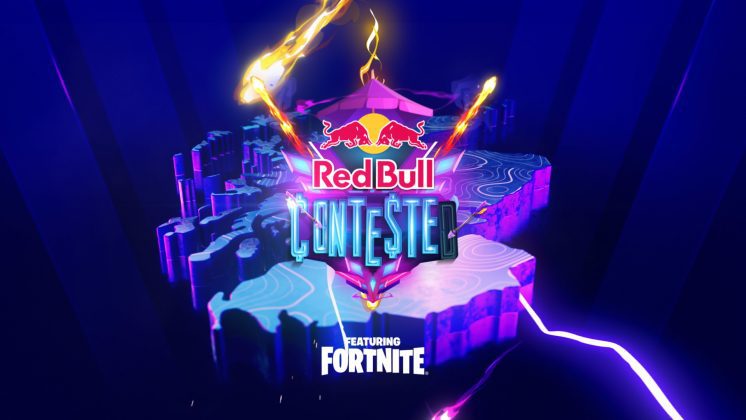
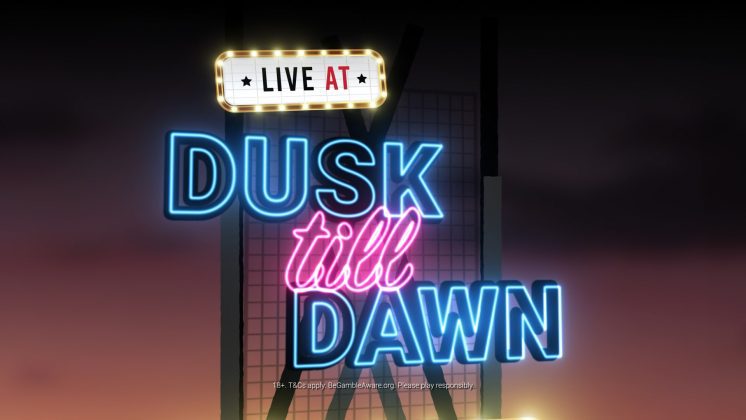
View more of our motion graphics

Final Thoughts
Motion graphics are more than just decoration. They are a smart way to explain your brand, connect with audiences and keep content fresh and flexible.
If you need to simplify a service, promote a product or make your videos feel more premium, motion graphics can help. From animated feature films to two-second logo reveals, the same principles apply – clear design, smart movement and purposeful visuals.
At Emotive 3D, we create motion graphics that help brands communicate more clearly and creatively. Whether you need a full explainer or just want to improve your video branding, we can help.
Talk to us today about using motion graphics in your next campaign